Warehousing decisions rarely make headlines, but they quietly decide whether a retail or industrial business in the Kingdom hits its margins in 2026. Two categories cause the most confusion for operators new to the market: Ambient Storage and deep-frozen capacity. They sound similar on a spec sheet but serve completely different inventory, and mixing them up is an expensive mistake. This guide explains what ambient storage actually covers, when you need frozen capacity instead, and how to plan for both without overpaying.
What Ambient Storage Really Means
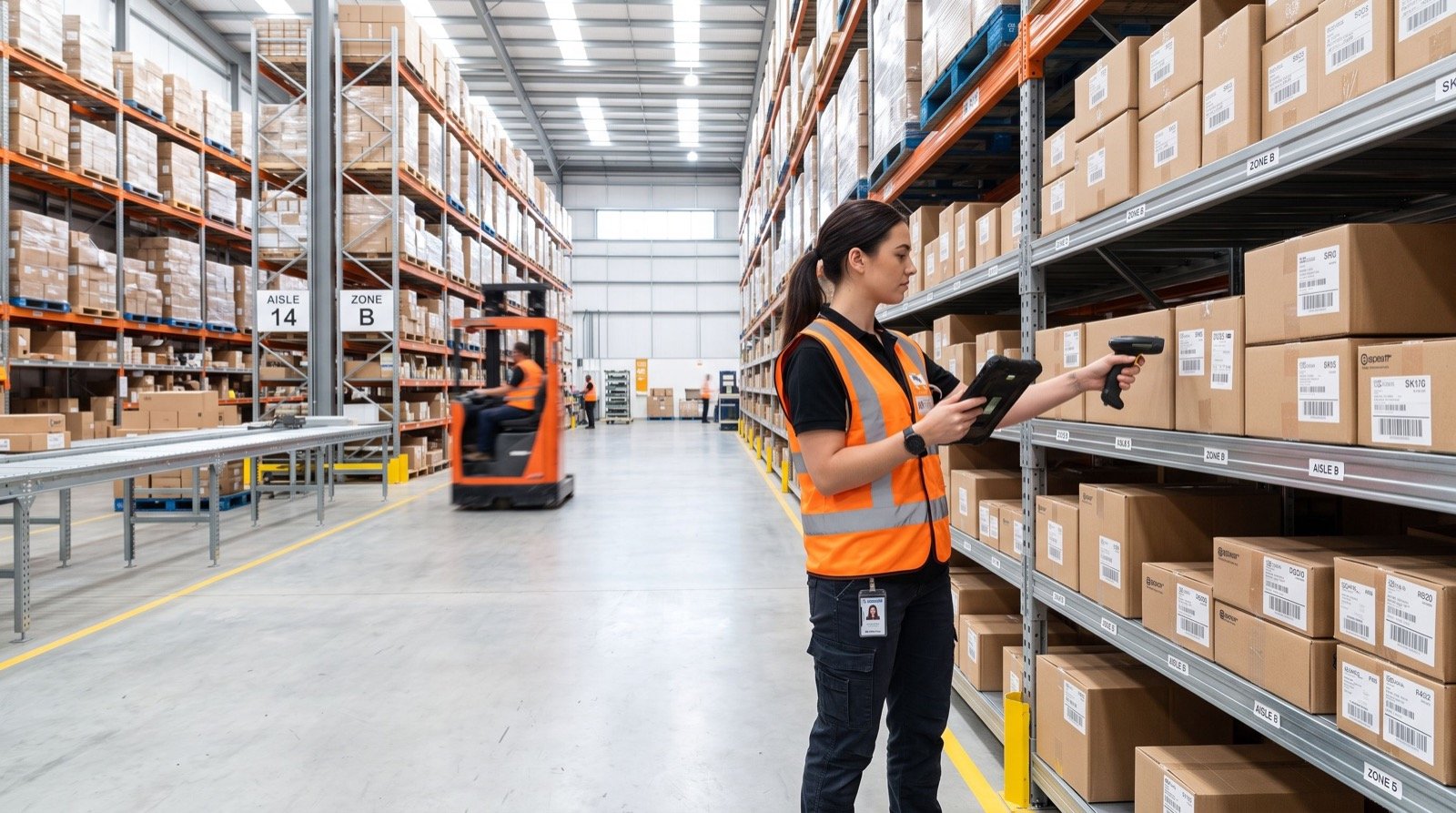
Ambient storage keeps goods at a stable, moderated temperature without active refrigeration — typically shielded from direct heat, humidity swings, and dust rather than chilled to a specific low range. It’s the right fit for packaged dry goods, certain cosmetics, textiles, furniture, electronics components, and many retail SKUs that simply need a clean, climate-stable environment rather than a cold room.
In Saudi Arabia’s climate, “ambient” does not mean unmanaged. A well-run ambient facility still controls humidity carefully, because the Gulf’s seasonal swings between dry heat and coastal humidity (especially around Jeddah and the Eastern Province) can warp packaging, degrade adhesives, and encourage mould in anything with organic content. The difference from chilled or frozen storage is cost and complexity, not the absence of climate control altogether.
Common Goods Suited to Ambient Conditions
Packaged snacks and dry foods, paper goods, cosmetics not requiring refrigeration, apparel, home goods, and most non-perishable retail inventory all perform well in ambient conditions. If a product’s label has no temperature instructions at all, it’s very likely an ambient-storage candidate.
When You Actually Need Frozen Storage
Frozen capacity is a different category entirely, and demand for it has grown steadily across the capital as food delivery, catering, and retail import volumes expand. Frozen Storage in Riyadh typically holds goods at -18°C or below, which is what’s required for frozen meat, seafood, ready meals, ice cream, and select pharmaceutical products. Unlike ambient space, frozen facilities need continuous power redundancy, because even a short outage can push product past a safe temperature threshold and trigger a full write-off.
Businesses that import frozen seafood or meat into Riyadh often underestimate how fast demand for frozen capacity grows once a retail chain scales past a handful of locations. Planning frozen storage needs 2-3 quarters ahead of projected growth, rather than reacting once a shortage appears, consistently saves money on short-notice emergency leasing.
Building a Mixed-Storage Strategy
Most mid-size distributors in Saudi Arabia don’t need one storage type — they need a blend. A grocery importer, for example, might require ambient space for 60% of SKUs, frozen capacity for 25%, and a small chilled allocation for the remainder. Treating storage planning as a single decision rather than a portfolio leads to either wasted frozen capacity or spoiled ambient goods sitting too close to a heat source.
- Audit your SKU list by required temperature band, not by product category alone.
- Estimate seasonal peaks separately for each band — Ramadan demand patterns differ sharply between frozen and ambient goods.
- Negotiate flexible capacity in at least one category so you aren’t locked into a rigid footprint.
- Review utilisation quarterly and rebalance the mix as your product line evolves.
Energy Costs and Facility Design Choices
Frozen capacity’s biggest ongoing cost isn’t the lease — it’s energy. Continuous compressor operation in Gulf heat means facilities with better insulation, more efficient refrigeration units, and smarter defrost cycling can run noticeably cheaper per pallet than older buildings doing the same job. When you’re comparing frozen storage quotes in Riyadh, ask directly about the age of the refrigeration plant and whether it has been upgraded in the last five years, since older compressors often carry both higher energy bills and a higher breakdown risk.
Ambient facilities have a lighter energy footprint but still benefit from good building design. Reflective roofing, proper insulation, and cross-ventilation reduce how hard dehumidification systems have to work, which keeps humidity-related product damage down without the facility needing full refrigeration at all.
Ambient vs Frozen Storage: Key Differences
| Factor | Ambient Storage | Frozen Storage |
|---|---|---|
| Temperature control | Stable, humidity-managed | -18°C or below |
| Typical goods | Dry packaged goods, textiles, electronics | Frozen meat, seafood, ready meals, ice cream |
| Power redundancy need | Standard | Critical, continuous |
| Relative lease cost | Lower | Higher |
| Risk if climate control fails | Gradual degradation | Rapid, often total loss |
How Do You Vet a Facility Before Committing?
Ask for a facility tour, not just a quote. Check the condition of the racking, ask how often temperature logs are audited, and request references from current tenants in a similar product category. This mirrors how smart operators vet partners in any service industry — we’ve seen the same pattern when businesses look for trusted professionals in fields as different as digital marketing: the due-diligence steps barely change, only the technical questions do.
For storage specifically, the technical questions that matter most are backup power recovery time, pest-control documentation, and whether the facility has handled a capacity surge before without turning away existing clients.
Standards and Freshness Expectations in 2026
Cold-chain and storage standards across the Gulf have tightened in recent years as food-safety enforcement modernises. The Global Cold Chain Alliance publishes widely referenced guidance on frozen and refrigerated storage best practice that many regional operators now benchmark against, covering everything from defrost cycle management to power-failure contingency planning. Facilities that can demonstrate alignment with that kind of guidance tend to pass local audits with far less friction.
Frequently Asked Questions
What is the difference between ambient and chilled storage?
Ambient storage maintains a stable, moderated environment without active refrigeration, while chilled storage actively cools goods to a specific low-temperature range, usually 2°C to 8°C, for perishables like dairy and fresh produce.
Why is frozen storage in Riyadh in higher demand in 2026?
Growing food delivery, catering, and frozen retail import volumes across the capital have pushed demand for reliable frozen capacity higher, particularly among businesses scaling beyond a single distribution point.
Can ambient storage be used for electronics?
Yes, as long as humidity is controlled. Most electronics components tolerate ambient temperature ranges well but are sensitive to moisture, so humidity monitoring is the detail worth confirming before leasing space.
How far ahead should I plan for frozen storage capacity?
Two to three quarters ahead of projected growth is a safe planning window, giving enough lead time to secure space before seasonal demand spikes without paying premium short-notice rates.
Ambient and frozen storage solve very different problems, and the businesses that plan for both — rather than defaulting to one — tend to control costs best through 2026. Start with an honest SKU-by-SKU audit, match each product to its real requirement, and negotiate flexibility wherever your growth projections are still uncertain.