Learn Languages Online in 2026: A Complete Guide to Fluency From Home
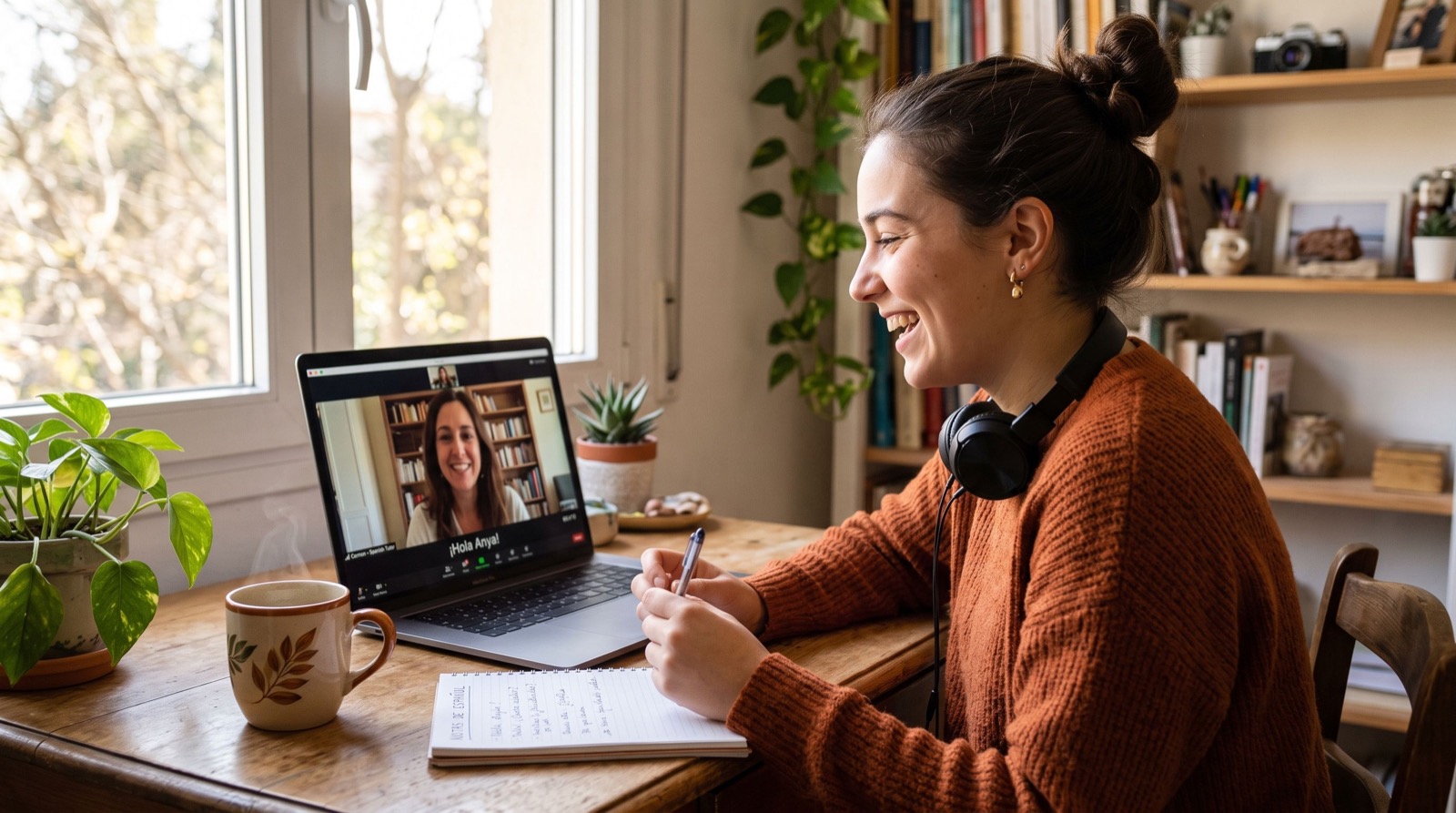
Speaking a second language opens doors to new careers, cultures, and connections. In 2026, you no longer need to travel abroad or sit in a crowded classroom to get there. When you learn languages online, you gain access to native-speaking instructors, interactive lessons, and a global community of learners, all from the comfort of your home. The question is how to turn that access into real, lasting fluency.
This guide breaks down proven strategies for language learning in the digital age. You will discover how to choose the right method, stay motivated, and combine online study with personal guidance to reach conversational confidence faster than you might expect.
Why More People Learn Languages Online Than Ever
The shift to digital language learning is driven by three powerful advantages: access, flexibility, and cost. Learners can now connect with qualified teachers across the world and practice with real speakers whenever they have a spare moment. There is no commute and no rigid timetable, which makes consistent practice far easier to maintain.
Affordability has also opened the door for millions. High-quality programs that let you learn languages online cost a fraction of traditional immersion courses, and many offer flexible plans that fit any budget. For learners who want extra personal support, pairing online study with experienced tutors in Islamabad provides tailored guidance that accelerates progress.
Research shared by the British Council consistently shows that regular, active practice is the single biggest predictor of language success, and online tools make that daily practice remarkably convenient.
Choosing the Right Method for Your Goals
There is no single best way to learn a language. The right method depends on your goal, your schedule, and how you like to learn. The table below compares the most popular approaches.
| Method | Best For | Strength | Consideration |
|---|---|---|---|
| Live online classes | Speaking confidence | Real-time feedback | Requires scheduling |
| Self-paced apps | Vocabulary building | Learn anytime | Less speaking practice |
| One-on-one tutoring | Personalized progress | Fully tailored | Premium investment |
| Language exchange | Real conversation | Authentic practice | Variable quality |
Combining Methods for Faster Results
The most successful learners rarely rely on a single tool. They might use an app for daily vocabulary, join live classes for structured lessons, and book a tutor for personalized feedback. This layered approach keeps learning varied and covers every skill: listening, speaking, reading, and writing.
How to Build a Daily Language Habit
Fluency is built one small session at a time. The following steps will help you create a routine that sticks and delivers steady progress.
- Set a specific goal. Aim for something concrete, like holding a five-minute conversation within two months.
- Practice daily, even briefly. Fifteen focused minutes a day beats one long weekly session.
- Prioritize speaking early. Do not wait until you feel ready; talking from day one builds confidence fast.
- Immerse yourself. Watch shows, listen to music, and change your phone language to the one you are learning.
- Review regularly. Revisit past lessons so new vocabulary moves into long-term memory.
Consistency is the secret ingredient. When you show up every day, even for a short time, progress compounds in ways that occasional heavy study never matches.
Staying Motivated Through the Plateau
Every language learner hits a plateau where progress feels slow. This stage is normal and temporary, but it discourages many people into quitting. The trick is to keep the experience enjoyable and connected to real life.
Set fresh, small challenges to reignite momentum. Try ordering food in the language, writing a short journal entry, or chatting with a language partner. Track your wins so you can see how far you have come. And remember to be patient with yourself; mistakes are proof that you are learning, not evidence of failure.
Use these strategies to push through the plateau:
- Change your materials: Switch to new podcasts, videos, or books to stay engaged.
- Find a partner: A friend or study group adds accountability and fun.
- Celebrate milestones: Reward yourself for reaching each new level.
- Get expert feedback: A tutor can pinpoint exactly what to improve next.
Working with reputable service experts and trusted educators keeps your practice focused and effective, especially when motivation dips.
How to Practice Speaking When You Study Alone
Speaking is the skill learners fear most and practice least, yet it is the fastest route to real fluency. The good news is that you can practice speaking daily even without a partner. The key is to make your mouth and ears work, not just your eyes.
Try shadowing, where you listen to a short audio clip and repeat it aloud immediately, copying the rhythm and pronunciation. Narrate your day in the target language, describing what you are doing as you cook or walk. Record yourself for two minutes and play it back to catch errors you did not notice while speaking. These simple drills build muscle memory and confidence before you ever face a live conversation.
When you are ready for real exchanges, book short conversation sessions with a tutor or join a language exchange. Even ten minutes of genuine speaking a few times a week produces noticeable gains, because it forces you to retrieve words under real conditions rather than recognizing them passively on a screen.
Using Technology Wisely in 2026
Modern tools make practice easier than ever, but they work best as support, not a substitute for real effort. Speech-recognition features can flag pronunciation slips, spaced-repetition apps schedule vocabulary reviews automatically, and subtitle tools let you follow native content at your level. Use them to fill small gaps in your day, then bring what you learn into live practice where it truly sticks.
Setting Realistic Milestones on the Road to Fluency
Fluency is not a single finish line but a series of milestones. Breaking the journey into stages keeps motivation high and progress visible. Aim first for survival phrases, then simple conversations, then comfortable everyday chat, and finally nuanced expression. Celebrating each stage prevents the discouragement that comes from comparing yourself to a distant ideal.
Give each milestone a rough timeframe and a clear test. For example, “in one month I will introduce myself and ask five questions,” or “in three months I will watch a short video and understand the gist.” Concrete checkpoints turn a vague ambition into a plan you can actually follow and measure.
Frequently Asked Questions
How long does it take to learn languages online?
Timelines vary by language and effort, but many learners reach conversational ability within six to twelve months of consistent daily practice. Speaking early and practicing often speeds up the process considerably.
Can I really become fluent without living abroad?
Yes. With native-speaking instructors, immersive online content, and regular conversation practice, you can build genuine fluency from home. Consistency and speaking practice matter far more than location.
Do I need a tutor if I use language apps?
Apps are excellent for vocabulary and grammar, but a tutor adds personalized feedback, conversation practice, and accountability. Combining both usually produces the fastest, most durable results.
What is the biggest mistake beginners make?
The most common mistake is delaying speaking practice. Learners often wait until they feel confident, but talking from the very start builds real skills and confidence far more quickly.
How many hours a week should I study to make real progress?
Consistency matters more than total hours. Five to seven short sessions a week, even fifteen minutes each, outperform one long weekend session. Add a weekly speaking practice or tutoring session and your progress will accelerate noticeably.
Conclusion: Start Speaking a New Language Today
There has never been a better time to learn languages online. The tools are affordable, the instructors are world-class, and the flexibility fits any lifestyle. Success comes down to choosing the right mix of methods, practicing a little every day, and pushing through the inevitable plateaus with support and patience.
Do not wait for the perfect moment. Set your goal, pick a method that fits your life, and consider pairing online study with a dedicated tutor for personalized guidance. Begin your first lesson today and take the first real step toward speaking a new language with confidence.